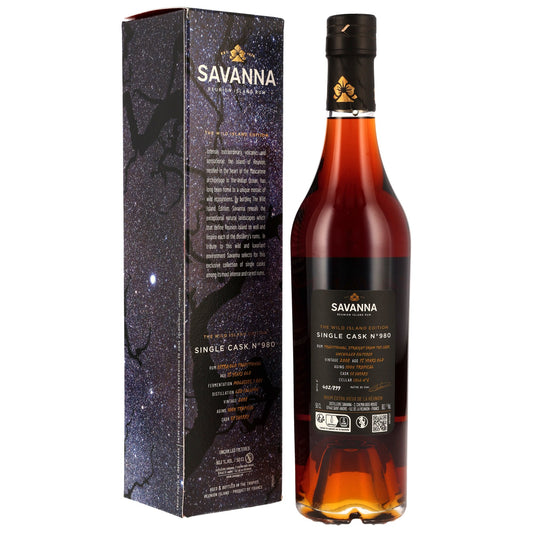
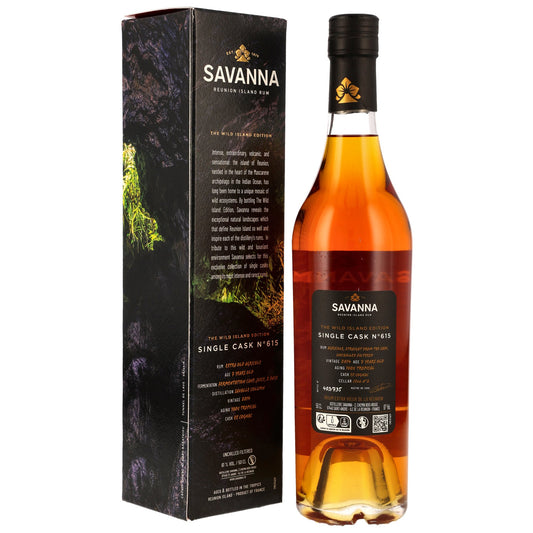
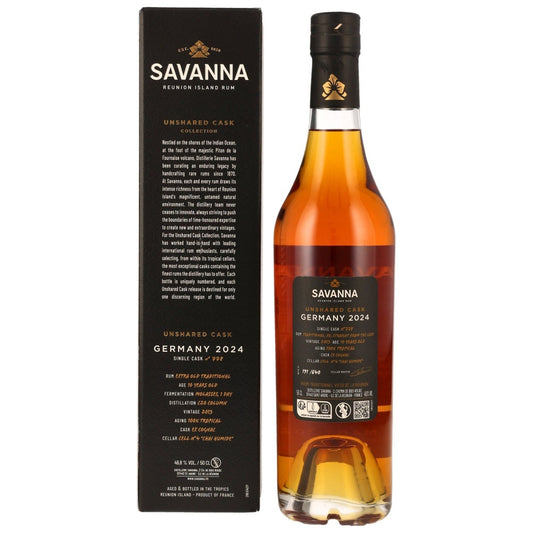
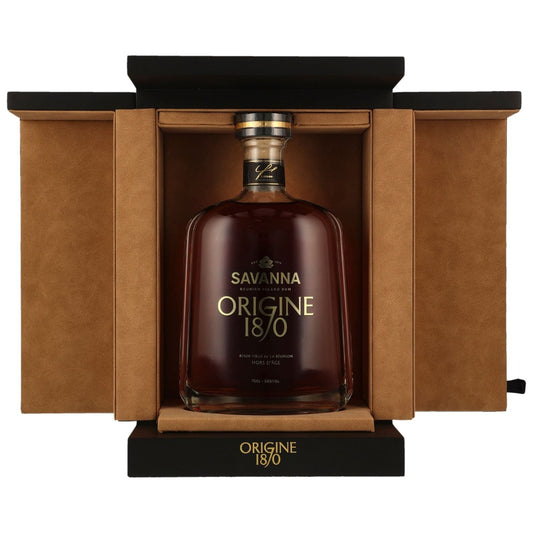
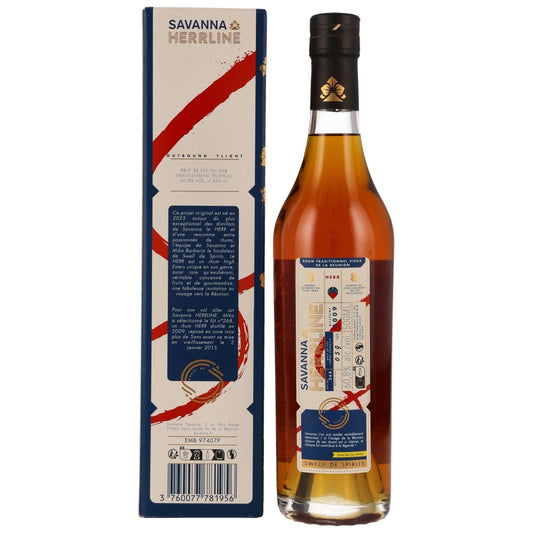
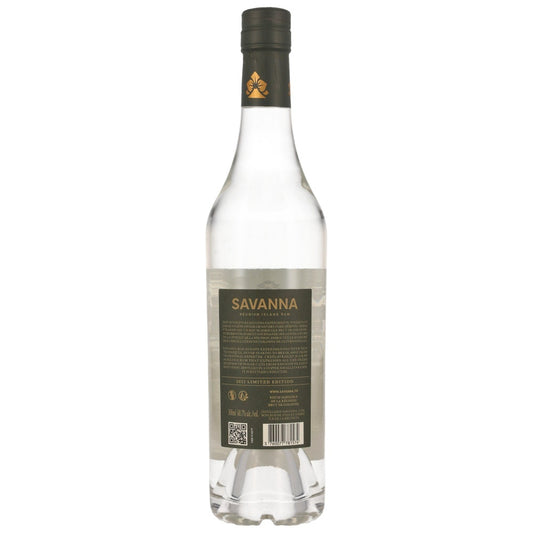
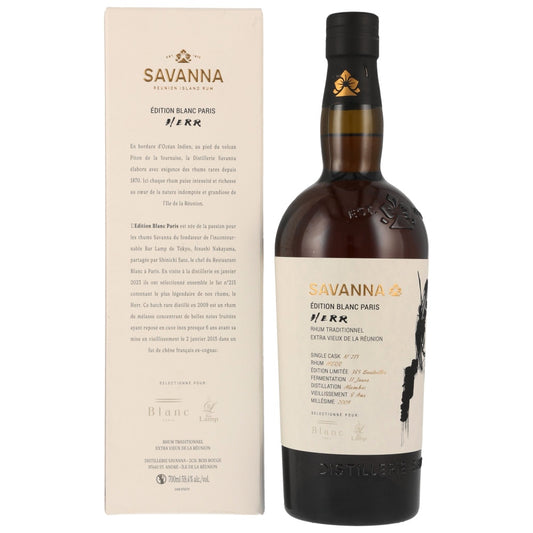
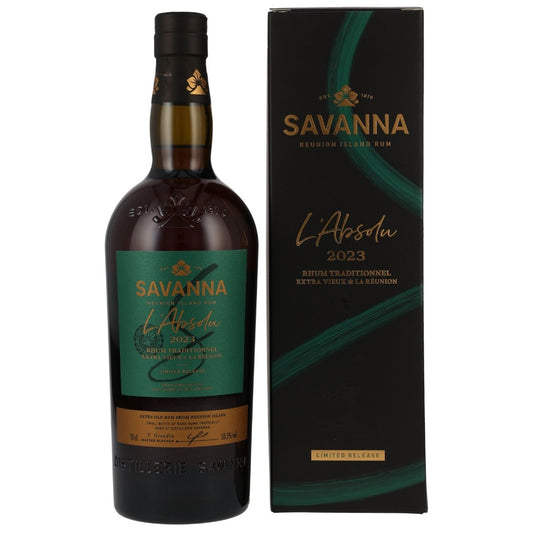
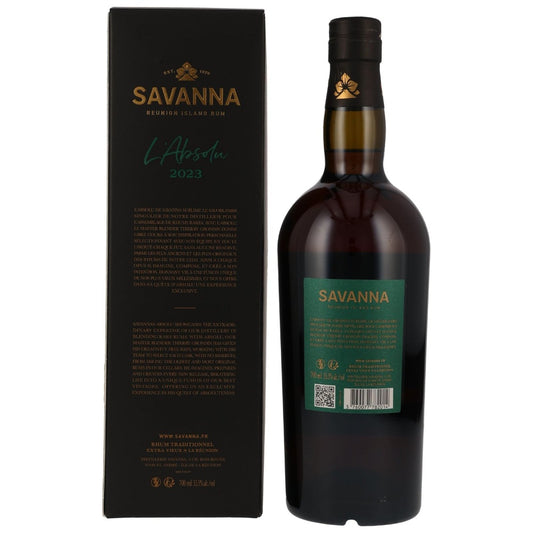
Discover Savanna Rum: origin, production and special features
Are you a rum lover looking to delve deeper into the fascinating world of rum? Then Savanna Rum will delight you! This unique rum originates from a small island in the Indian Ocean and brings with it an exciting blend of tradition and innovation. Let's discover its origins, exceptional production methods, and the special features that make it a must-try for both beginners and experienced rum fans.
The origin of Savanna Rum
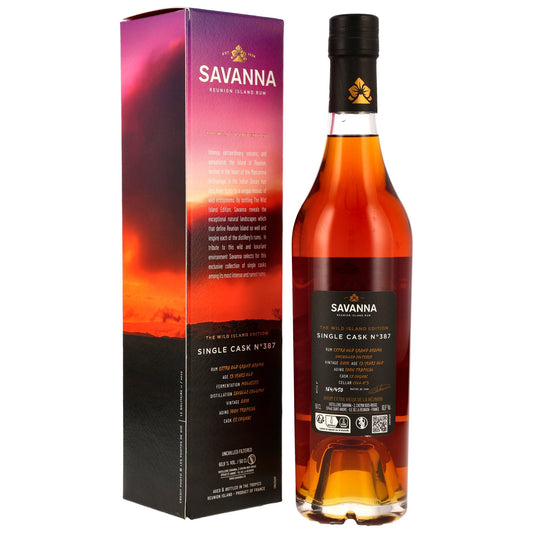
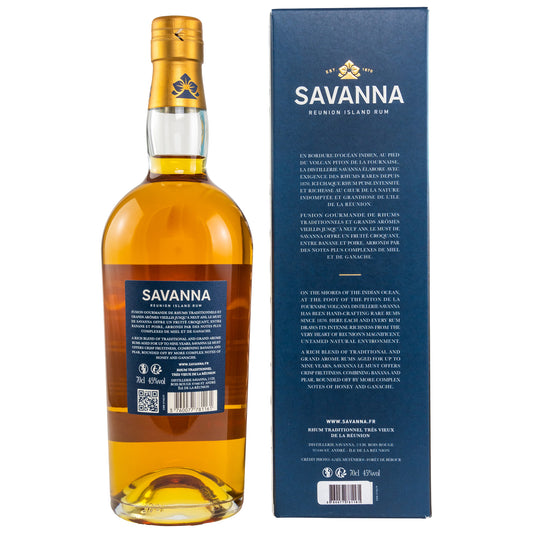
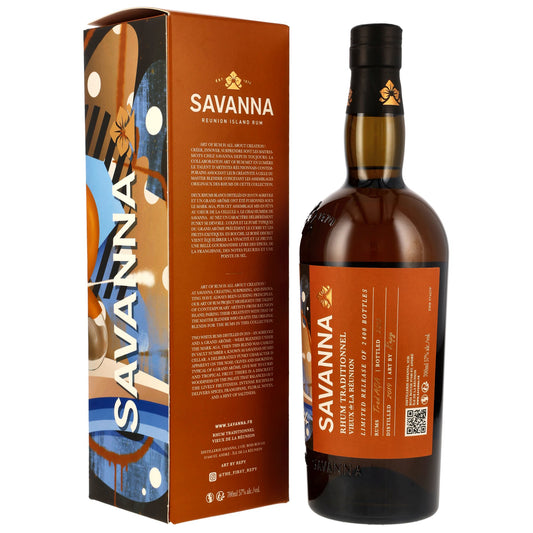
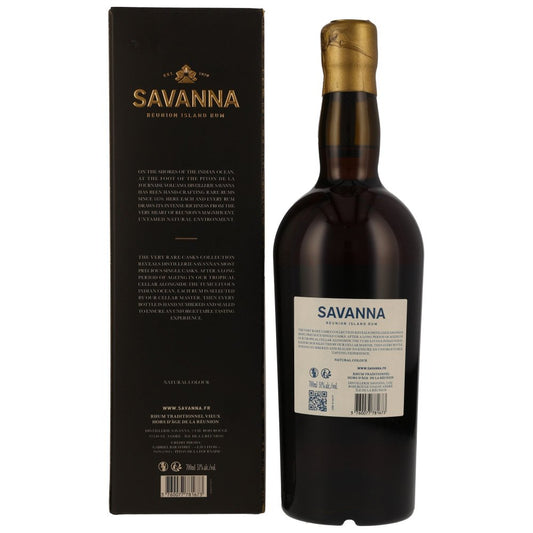
Savanna rum originates from the island of La Réunion. This French island is located in the Indian Ocean, about 700 kilometers east of Madagascar. Did you know that La Réunion is known for its diverse landscape and sugarcane cultivation? It is precisely there, amidst sugarcane fields and natural wonders, that Savanna rum is produced.
The Savanna distillery, which has existed since 1870, combines historical rum-making expertise with a modern approach. What makes it special? Thanks to the climate mix of tropical warmth and volcanic soils, sugar cane can thrive exceptionally well there, which is directly reflected in the flavor of the finished rum.
The production of Savanna rum
When it comes to Savanna rum, the production process is characterized by a combination of tradition and experimentation. Here are the key steps in the production process:
1.Sugar cane as a base
Like many rum varieties, Savanna rum is made from sugarcane. Réunion offers ideal conditions for growing high-quality sugarcane. After harvesting, the sugarcane is either processed into molasses (the classic method for rum production) or used directly as fresh sugarcane juice, as is the case with some of the more aromatic varieties.
2.Complex fermentation
What makes Savanna so special is the variety of fermentation methods used. For certain rums, longer fermentation is used to develop more intense flavors. The result? An exceptional bouquet of flavors that you'll immediately taste.
3.Distillation at the highest level
Distillation takes place in both traditional pot stills and modern column stills, producing a wide range of rums, ranging from mild and fresh to rich and complex.
4.Ripening under tropical conditions
After distillation, the rum is aged in various wooden barrels, depending on the variety. This is where tropical magic meets craftsmanship! Did you know that rums mature up to three times faster in tropical climates than in cooler regions? Savanna uses French oak barrels or even former cognac and whiskey barrels to achieve a unique depth of flavor.



 -14%
Shipping in 5 days
-14%
Shipping in 5 days