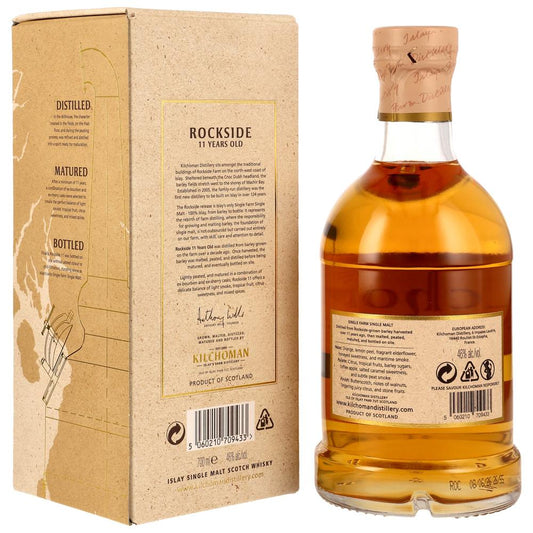
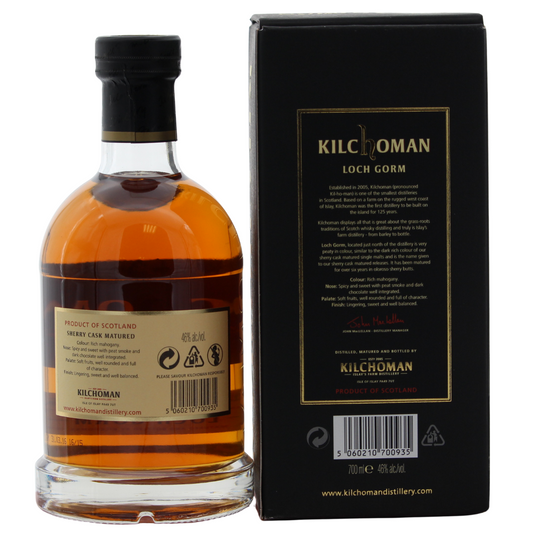
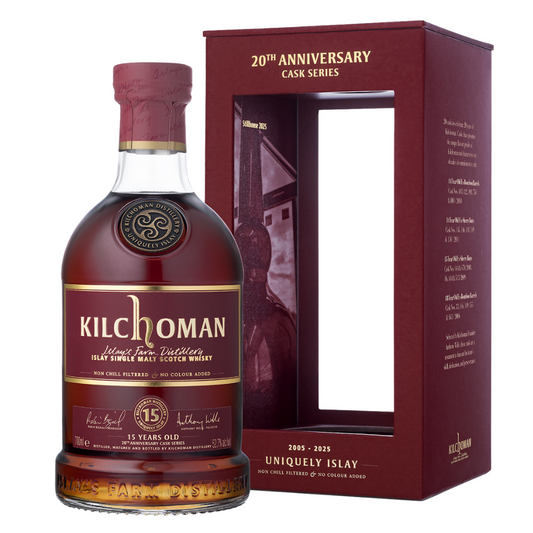
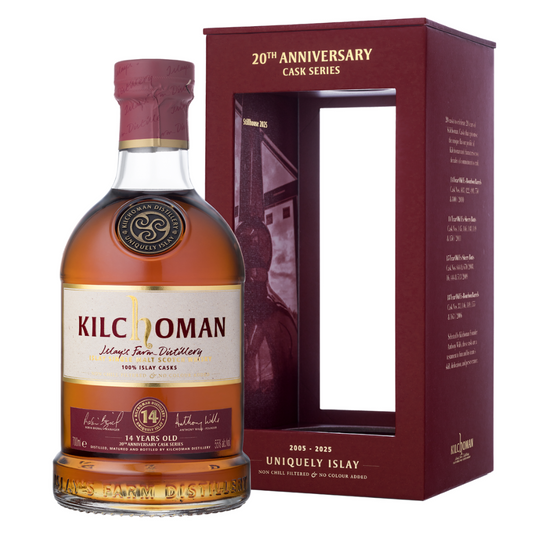
Discover the Kilchoman Whisky Distillery. A brief explanation of its production and special features
The Scottish island of Islay is famous among whisky fans for its smoky spirits and traditional distilleries. But one distillery stands out because, despite its relatively young history, it forges its own path and dedicates itself with dedication to ancient crafts: the Kilchoman Distillery. Want to learn more about what makes Kilchoman so special, how their whisky is produced, and why you should keep this distillery's whiskies on your radar? Then you've come to the right place.
What makes Kilchoman unique?
Kilchoman was founded in 2005 as the first new distillery on Islay in more than 120 years. Unlike many major whisky producers, Kilchoman pursues an uncompromisingly artisanal approach. From the outset, they wanted to keep the entire production chain on the island and ensure maximum transparency.
Imagine not only getting a genuine Islay whisky, but also one that's produced almost entirely in one place, from field to glass. This means that at Kilchoman, a large portion of the barley used is grown on the distillery's own farms and even malted in-house. This is something you rarely find at other distilleries!
Another trademark is the distinctive, quite powerful peat smoke that immediately greets you in the classic Kilchoman bottlings. But you'll also consistently find the elegant, fruity side. The whiskies are mostly younger, but that doesn't detract from the aroma.
From barley to glass: the manufacturing process at Kilchoman
How does whisky production actually work at this unique farm distillery? Let's take a look at the key steps together:
1. Own barley and traditional malting floors
About a quarter of the total barley grows directly in the fields surrounding the distillery. This is the only way to precisely control quality from start to finish. After harvesting, the barley is spread out on traditional malting floors, turned by hand, and then dried over peat fires. This is very time-consuming, but it creates the characteristic aroma.
Kilchoman is, by the way, one of the few distilleries that still malts part of its production in this classic way!
2. Mash, fermentation and pot stills
After malting, the barley is coarsely ground and mixed with hot water to release the sugar. The resulting sugar water, known as "wort," is transferred to stainless steel washbacks. Later, it is fermented with yeast and, after about 70 hours, transforms into a type of grain-based beer.
The alcohol then flows into copper pot stills. Kilchoman uses relatively small stills, which results in rather strong and aromatic distillates. The distillers pay close attention to which "cut" they select, thus capturing the heart of the spirit with all its desired aromas.
3. Barrel aging and the play with aromas
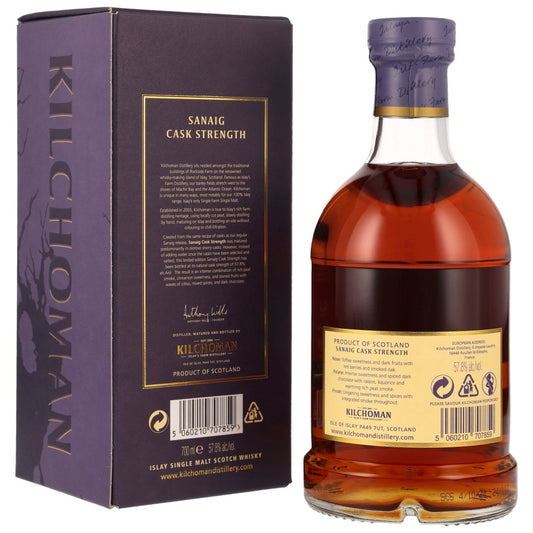
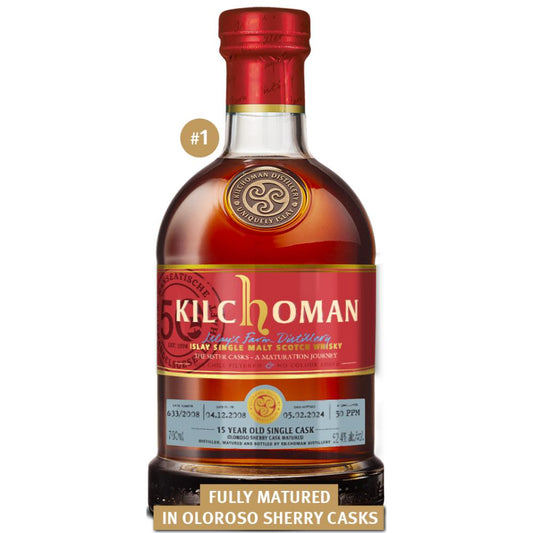
Maturation is a chapter in itself! Around 90 percent of Kilchoman whiskies mature in former American white oak bourbon casks that previously housed Jim Beam, Buffalo Trace, or Jack Daniel's. The remaining casks were mostly sherry casks from Spain. This brings sweet, fruity, and spicy notes to the distillate.
The unique coastal location of the Islay warehouses ensures that salt, sea air, and changeable weather influence the barrels. Many fans swear they can taste a hint of maritime freshness in their glass!
4. Bottling often unfiltered and without coloring
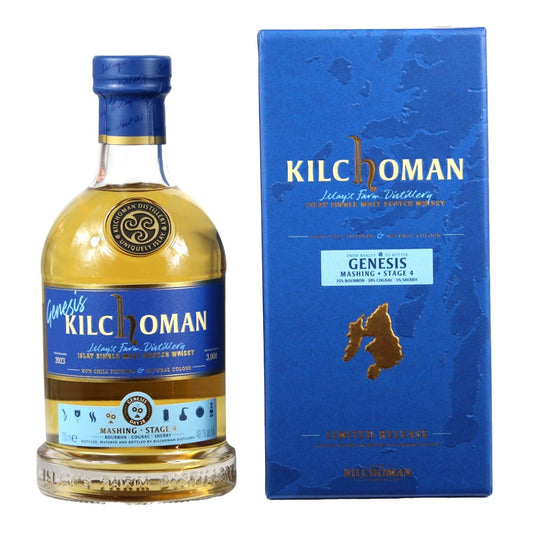
When you buy a Kilchoman whisky, you can almost always be sure that it has been bottled uncolored and usually without chill filtration. This preserves the original quality and ensures a pure taste.
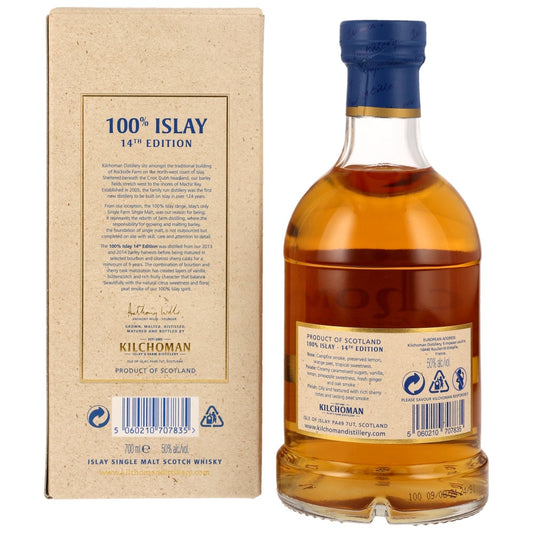
Kilchoman also remains bold when it comes to alcohol content, releasing many bottlings with increased drinking strength (“cask strength” or 50% ABV and above). A true experience!